
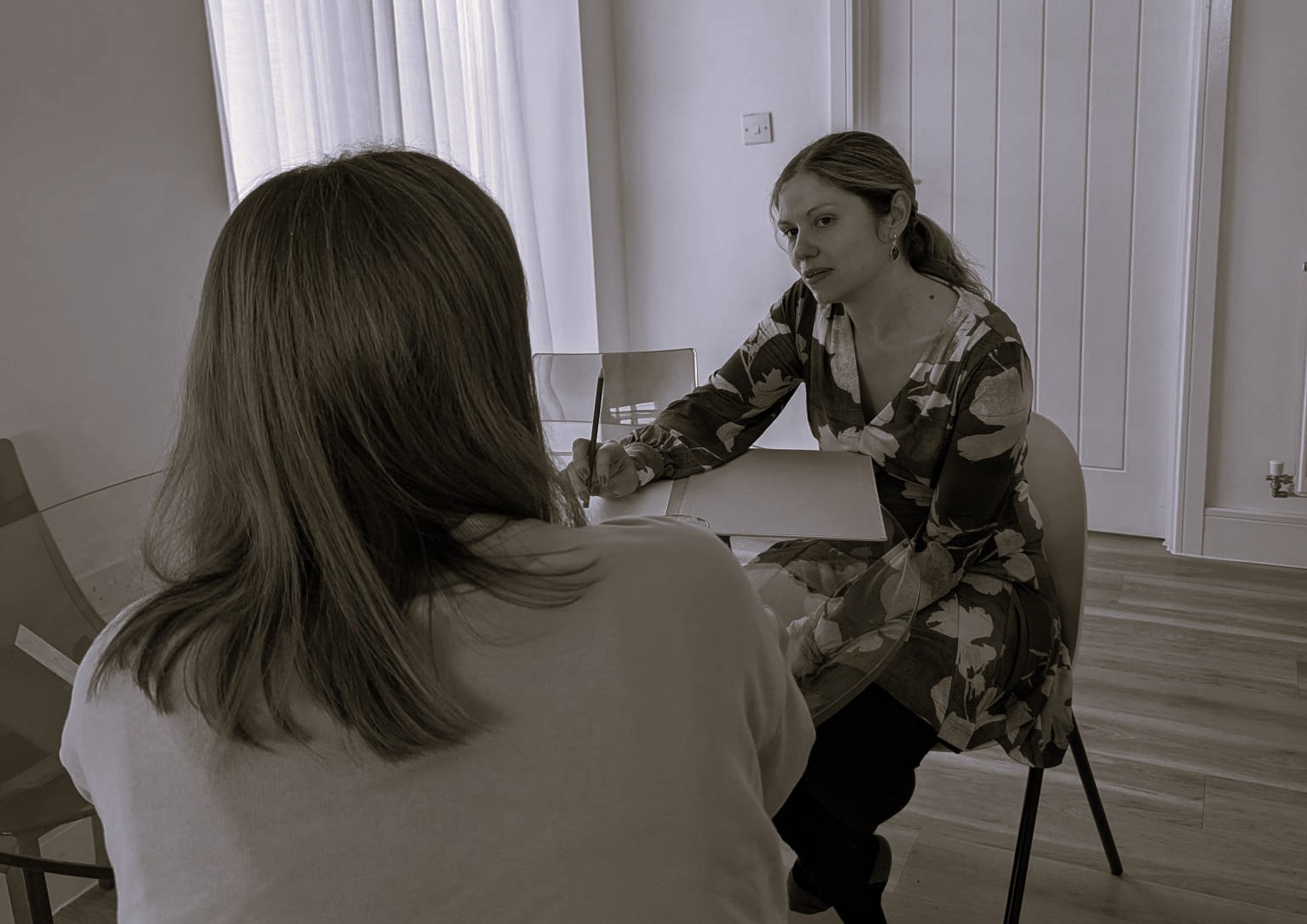
A practical guide for scaling founders on whether to keep the CEO role or hand it over.
For many technical founders, becoming CEO is a complete rewiring of the job. As startups scale from product development to operational growth, many founders face a difficult question, should they remain in the CEO role? The transition from builder to business leader is one of the most significant leadership cahllenges facing startups, and for their respective venture-backing.
The early startup company rewarded product instinct, speed, deep problem solving, and sheer force of will. The scaling company demands executive communication, organisational design, and the discipline to make decisions through other people.
Becoming a startup CEO is difficult for anyone, but add investor pressure, team complexity and identity to the mix, it becomes even harder.
Nobody questions whether the founder “deserves” to stay as CEO, if the founder can evolve faster than the company’s leadership requirements then staying can be a superpower. If not, staying too long can become the worst option for the business.
Why the transition is so hard for technical founders:
The Difference Between Building and Scaling
Technical founders are successful because they can see the product more clearly than anyone else and move fast. They know the science, engineering or technology inside out. This makes them the company’s best engineer, salesperson, recruiter and storyteller.
However, building a product and an idea is very different to scaling. When the company starts to scale, the role moves from innovation and product, to vision and leadership. What made you successful with 5 people won’t work with 25. There is a need for the founder to motivate, delegate, assign accountability and rely on other people. If they don’t, they become a bottleneck, slow down the business, burn out and create stress for those around them.
A CEO needs to set context, coach and mentor instead of giving answers and solving every problem personally. The founder, who may be new to leadership themselves, must now build leaders within their team. They must be great people managers, and roles that were once friends need to transition to professional relationships. They need to identify weaknesses and be confident addressing conflict, feedback and performance issues.
For some, identity is deeply tied to making, innovating and decision-making, transitioning to CEO can feel like losing the very craft that made them successful. They must now move onto organisational execution, rather than the product.
Why investors Care About Founder Leadership
Most investors tell us they don’t just invest in the products or technology — they invest in leadership capability. As startups scale, particularly toward Series A, investors begin assessing whether founders can lead not only innovation, but also people, operations, strategy and execution under pressure. A founder who was highly effective during the early product-building phase may face very different challenges when managing rapid team growth, investor expectations, organisational complexity and commercial scale. Strong founder leadership signals operational maturity, strategic clarity and the ability to build a sustainable business beyond the initial vision. For venture-backed startups, leadership is often viewed as one of the biggest indicators of long-term execution risk — which is why investors pay close attention to how founders communicate, make decisions, build teams and adapt as the business grows.
Scenario: The 11x Founder Transition
Founder Hasan Sukkar stepped aside as CEO during a major scaling phase, explaining that the company now required operational rigour, scalable culture and enterprise-grad leadership for its next stage of growth. This demonstrates how leadership requirements evolve as startups scale. As the company expanded rapidly witin the competitie AI sector, he realised that what he loves is building from the group up. This highlights an important leadership challenge, how can we tell if it is right to stay or go?
When it is right to stay on as SEO:
13 Signs a Technical Founder Is Ready to Become CEO
Staying on as CEO is usually right when:
- the founder is still learning fast
- the company is still closely tied to product insight
- the founder prioritises and demonstrates strong strategic thinking skills
- the leadership gaps are coachable rather than fundamental
- they can recruit people better than themselves in key functions
- the founder absorbs feedback from the board without becoming defensive
- they are able to spend their time on leverage rather than rescue work
- they are managing and making decisions under sustained pressure
- the founder is able to delegate
- they demonstration communication maturity, across all stakeholders
- they are comfortable with investor engagement
- they can provide operational oversight
- the founder still gains energy from the CEO work itself, not just from the product or the mission
The best founder-CEOs are not simply visionary. They are unusually adaptable. They can move from building the product to building the team, from deciding everything to shaping how decisions get made, and from proving themselves to serving the institution.
A practical test is whether the company gets stronger as the founder becomes less central to daily execution. If leaders around them gain clarity, make better decisions, and take real ownership, that is a strong sign the founder is maturing into the CEO role.
If the founder can handle scale work such as hiring executives, managing conflict, reviewing metrics, and making trade-offs across the whole business without constant resentment, they may be the right CEO for the next stage.
When it is wrong to stay on as CEO
11 Signs a Founder should NOT remain CEO
It is probably wrong to stay CEO when:
- the founder repeatedly fails to scale themselves
- the company requires leadership over product insight
- the founder focuses on the product, not the company
- the leadership gaps are fundamental rather than coachable
- decision making is suffering along with the sustained pressure
- they struggle to delegate or allow others to make decisions
- the board has lost confidence in the founder’s ability to build an institution
- communication gaps are appearing across the company
- they aren’t able to build leadership teams
- energy is depleting, they underperform or dislike the CEO responsibilities
- signs of burnout are becoming apparent
When these gaps appear, the issue is no longer potential, it is fit.
Stepping aside does not mean failure. In many cases, it is an act of leadership. A technical founder may create more value as chief product officer, chief technology officer, executive chair, or strategic founder than as CEO.
Research on founder transitions also suggests these handovers are emotionally and operationally fragile, with founder-CEO transitions carrying higher risk of failure than other CEO transitions. That is precisely why the decision should be made early, honestly, and with a clear design for the founder’s next role rather than as a last-minute reaction to crisis.
How to transition
- Create a quality leadership system. That means writing down decision rights, clarifying who owns what, and letting capable people do their role. If you have people who aren’t capable, let them go.
- Build external mirrors. Technical founders are often overcalibrated to product feedback and undercalibrated to leadership feedback. A strong board, an experienced coach, and a few peers who have already scaled companies can help you see blind spots before they become governance problems.
- Shift from founder instinct to company cadence. As the company grows, people need predictable rhythms for planning, review, communication, and escalation. You do not need bureaucracy, but you do need repeatability. Weekly leadership meetings, clear metrics, and documented priorities reduce the amount of company energy spent guessing what matters. They also reduce the hidden dependency on your mood and availability.
- Separate mission from role. You can remain deeply committed to the company without insisting on a specific title forever. Great founders stay loyal to the mission by being honest about where they create the most value now. Sometimes that means becoming the CEO the company needs. Sometimes it means helping someone else succeed in that role. Both can be forms of stewardship.
The real test
The transition from technical founder to CEO is not about becoming less visionary. It is about becoming more scalable than your original instincts. The right founder stays CEO not because they started the company, but because they keep earning the role as the company changes. The wrong founder stays because the title protects identity, control, or nostalgia. If you are a technical founder facing this transition, ask the hardest question first: am I still the company’s highest-leverage leader for the next stage, and am I willing to change enough for that to remain true? If the answer is yes, grow into the role with discipline. If the answer is no, lead the transition before the transition leads you.
Coach yourself: questions to reflect on
Before deciding whether to stay CEO, step aside, or redesign your role, take time to answer these questions honestly:
- Where am I creating the most value for the company right now, and where am I creating drag?
- Which parts of the CEO role energise me, and which parts consistently drain me?
- Am I building leaders around me, or am I still the system that everything depends on?
- What feedback have I been resisting because it challenges my identity as the founder?
- Have I truly delegated authority, or have I only delegated tasks?
- If I stepped away for a month, what would break, and what would that tell me?
- What stage of company growth are we entering, and what kind of leadership does that stage demand?
- Am I staying CEO because I am the best person for the next chapter, or because I am afraid of what stepping back might mean?
- What support, coaching, or external perspective would help me lead this transition more effectively?
If these questions have surfaced uncertainty, tension, or a need for clearer thinking, that is often a sign that support would help. Coaching can create the space to think more strategically, lead with greater confidence, and decide what role will allow you to contribute at your highest level. If you would like to explore coaching options, let’s discuss what support could look like for you and your stage of growth.
Key takeaways
- Scaling requires different leadership skills
- Technical expertise alone is not enough
- Founders must transition from execution into strategic leadership
- Sustainable growth depends on operational maturity
- Leadership development is critical before Series A
Further Reading
From Startup to Centaur: Leadership Lessons on Scaling
Summary FAQs
Technical founders can absolutely remain CEOs as startups scale, but the role often requires significant leadership evolution. The skills needed to build an innovative product in the early stages of a business are different from those required to lead larger teams, manage investors, create operational alignment and scale sustainably. Founders who successfully transition into long-term CEO roles are typically those who develop strong communication, delegation and strategic leadership capabilities alongside their technical expertise.
Founders may consider hiring a CEO when the business begins outgrowing the founder’s leadership capacity or when operational complexity starts affecting growth. Common signs include decision-making bottlenecks, difficulties managing teams, investor concerns around leadership scale, or founders feeling increasingly disconnected from the strategic demands of the business. In some cases, founders remain deeply involved in product innovation or technical leadership while an experienced CEO focuses on organisational growth and execution.
Startup CEOs need a combination of strategic thinking, communication, decision-making and organisational leadership skills. As companies scale, CEOs are expected to align teams, manage uncertainty, communicate with investors, support hiring and culture development, prioritise effectively and guide long-term growth. For technical founders, this often involves transitioning from hands-on execution into broader leadership and operational oversight.
Many technical founders excel in product development, innovation and problem-solving, but scaling a business introduces very different challenges. Rapid growth requires delegation, team leadership, operational structure and strategic communication across increasingly complex organisations. Founders who are used to solving problems directly can sometimes become bottlenecks as businesses grow, particularly if teams become overly dependent on their technical input or decision-making.
Investors typically look for founders who can demonstrate adaptability, strategic clarity and the ability to lead through growth. Beyond technical expertise or product innovation, investors assess whether leadership teams can scale operations, build strong organisational culture, attract talent, manage risk and execute consistently under pressure. Leadership capability is often viewed as one of the strongest indicators of a startup’s long-term growth potential and operational maturity.