
I went on a Negotiation Skills training course some years ago. At the end of a zero sum negotiation game the professor collected the results, and when he came to mine and my partners’ results, he said to me: “That shouldn’t have happened. You’ve managed to negotiate him below his walk away price.” I asked my game partner what had happened and he told me that I had been so confident that it had made him doubt his own valuation of the product.
Zero Sum
Zero sum negotiations are those in which two parties negotiate (often the price of a product) and whereby one party’s benefit is entirely the other party’s detriment. Buying a car would be an example of a zero sum negotiation; if you negotiate £100 off the price then the seller gets exactly £100 less.
If you work in Procurement, then zero sum negotiation is often fundamental to your job role. It’s important to enter negotiations armed with plenty of information; where else you could buy the product and for what price? What price would you like to pay and what is your maximum (or walk away) price? What arguments are there to ask for a lower price? For example, if you’re buying components for a product that you’re manufacturing, and each component needs to be unpackaged by hand then this is going to cost your business more than components shipped in packaging that a production line machine can unpack.
Armed with this information you can enter the negotiation with confidence to make strong, reasoned arguments which will enable you to drive price reduction.
Contract Negotiations
Procurement isn’t always about zero sum negotiation; supply contracts are often more nuanced and include many factors such as packaging, lead times, and consistent quality control. The importance of building a strong relationship with suppliers has long been underestimated, but in the wake of various global supply chain crises (such as covid and Middle Eastern shipping route closures) supply chain security has been working its way up the priority list of many businesses in the last few years. Sustainability and carbon footprint has a tendency to move up and down priority lists, and ethical sourcing often quite rightly demands significant weight in procurement strategies.
Active Listening
Looking at it from the other side of the table, it is fundamental for sales teams to understand their customers’ priorities. Sales managers can frequently be talkative and overbearing, but the best sales managers do more listening than talking. I’ve been in meetings where a very senior sales manager has talked for almost the entire time, giving the customer a huge amount of information about the market and the products, but not once stopping to ask and to listen to what the customer wants. This will almost always end poorly for both sides.
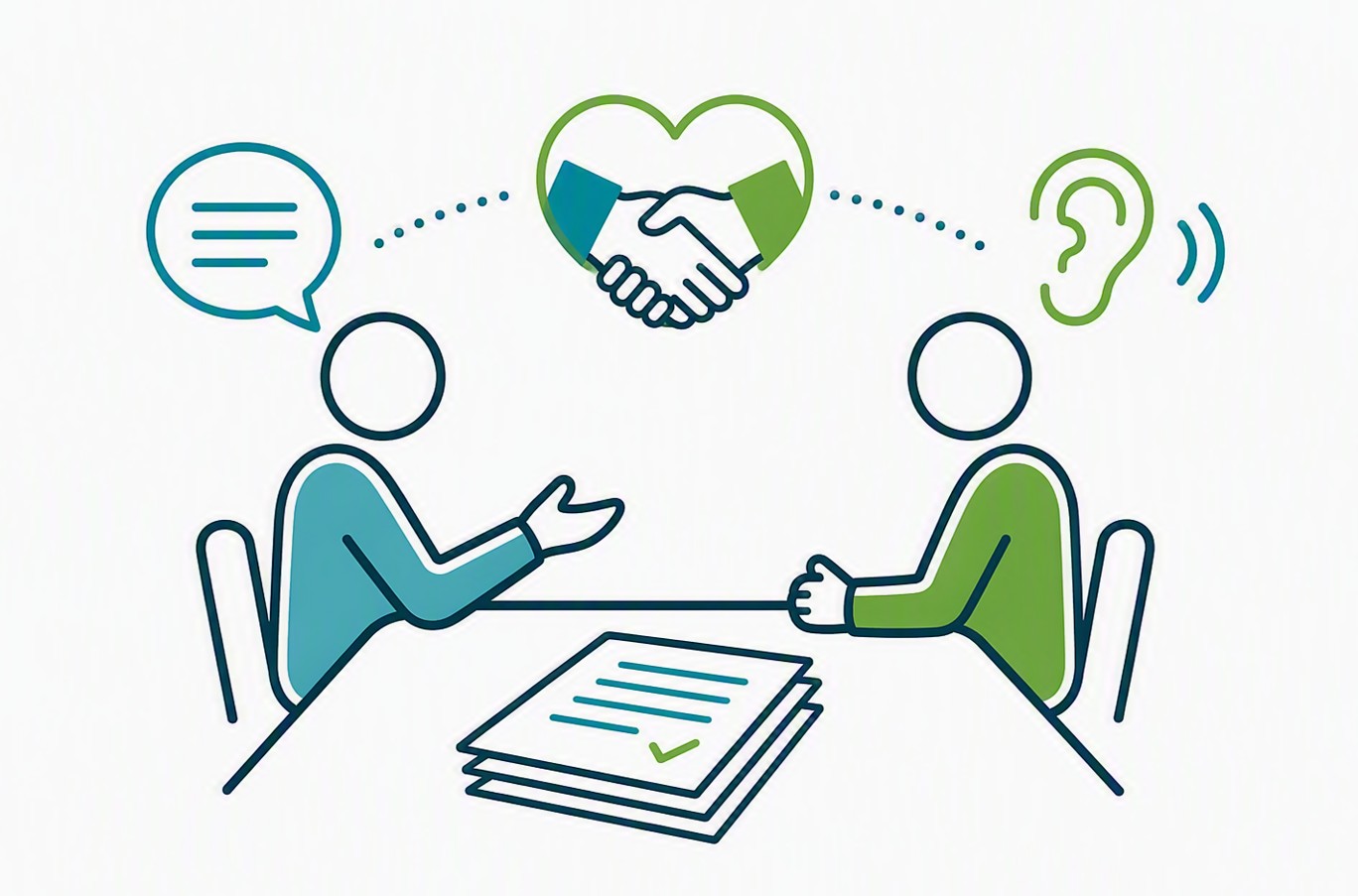
Listening is one of the most under-utilised negotiation skills. In order to construct and make good arguments, it is imperative that you understand the other party’s position, and more importantly, the reasons behind their position. If your counterparty tells you that they need delivery within two weeks, then make sure that you ask them why. This will give you insight into the background behind the demand; do they have a customer order on the other side, or are they simply trying to demonstrate confidence at a board meeting scheduled three weeks from now?
Asking good questions and listening to the answers will enable you to distinguish between what the other person wants, and what they need. It builds trust as your counterparty will realise that you’re interested in solving their problem, not just making a sale.
Leadership Business Negotiations
Negotiations don’t just occur between customers and suppliers. In reality, some of the most important negotiations happen within your organisation. Budgets, deadlines, priorities and resources are all examples of things that leaders need to negotiate internally.
Leadership negotiations can often present as conflict, as each team member will have differing priorities. A Finance Director may want to preserve cash, a Sales Director may want additional resource to grow business, and a Lawyer may focus on business risk reduction.
The principles of negotiation remain the same, but higher weight often needs to be given to the importance of maintaining and growing relationships with your team, colleagues and other stakeholders.
In these cases, the ability of a leader to build relationships, understand motivations and align people around shared objectives becomes far more valuable than positional power. Active listening once again becomes critical. By understanding the reasons behind someone’s position, leaders can often uncover solutions that address everyone’s underlying needs, rather than forcing a compromise that satisfies nobody.
The myth of winning
Unless you’re negotiating with that dodgy car salesman down the road, the goal is not always to squeeze your counterparty for as much value as possible. Negotiating someone beyond their walk-away price is not always advisable. Most business negotiations are not zero sum, and a short-term win can damage a long-term relationship. The best negotiators will always think ahead to the next few meetings, not just today’s.
A short note on culture
International negotiations are some of the most complex and challenging that I’ve ever handled. As well as determining the negotiation strategy, pricing and commercial priorities of each party, there are language and cultural perspectives to take into account.
Clear communication and active listening become exponentially more important as people negotiate in a non-native language. Listen and repeat back what they’ve said using simple language to ensure that you both understand each other.
Be mindful of any cultural differences in communication and negotiation styles; some cultures are more direct, some don’t like to say ‘no’ and others may lean towards secrecy. But across the globe, all cross-cultural negotiations benefit from the establishment of trust between parties.
The best negotiators listen
The biggest lesson I’ve learned about negotiation is this; people rarely tell you everything you need to know straight away. The best negotiators aren’t the loudest or toughest in the room. They’re the ones who ask the right questions, listen carefully to the answers, and use that understanding to find a solution that benefits all the stakeholders.